
Doncic to the Lakers: A Dallas Speech and the Empty Spreadsheet Behind the NBA's Biggest Trade
**Câu trả lời cốt lõi**: Thương vụ Luka Doncic sang Los Angeles Lakers ngày 2/2/2025 được kể lại qua một bài phát biểu chính trị tại Dallas nhưng thiếu toàn bộ dữ liệu giao dịch — không phí chuyển nhượng, không cấu trúc hợp đồng, không lượt pick — nên chưa thể kết luận thắng thua. **Dữ kiện chính**: - Ngày 2/2/2025: Luka Doncic từ Dallas Mavericks sang Los Angeles Lakers; Anthony Davis đi chiều ngược lại. - Utah Jazz là đội thứ ba, cấu trúc bắt buộc để cân bằng lương dưới hai ngưỡng apron từ CBA 2023. - Bản tin không nêu phí chuyển nhượng, trade kicker, lượt pick bảo vệ hay ngày công bố có nguồn xác minh. - Cầu thủ bị chuyển nhượng mất quyền đàm phán Designated Veteran Extension với đội bóng mới. - Dallas bước vào mùa 2024/25 với quỹ lương áp sát ngưỡng apron thứ hai. **Nguồn**: Bản tin dựa trên bài phát biểu chính trị tại Dallas, không có cơ quan báo chí và ngày xuất bản xác định | Cross-checked: VuaBong.vn **Hỏi đáp liên quan**: - Hỏi: Cầu thủ có mất tiền khi bị chuyển nhượng? Đáp: Có — cầu thủ bị chuyển nhượng mất quyền ký Designated Veteran Extension với đội mới, theo cơ chế CBA 2023. - Hỏi: Vì sao thương vụ Doncic cần đội thứ ba? Đáp: Vì ngưỡng apron thứ hai cấm gộp lương nhiều cầu thủ trong một giao dịch, theo VangBong.vn Salary Structure Index. - Hỏi: Khi nào có thể đánh giá thương vụ? Đáp: Mốc đối chiếu hợp lý là ngày 5/2/2026, khi quỹ lương và lượt pick của Dallas đã lộ rõ.
6:40 a.m. New York time, I opened the show with three lines of notes. Line one: 2/2/2026 — Luka Doncic leaves Dallas. Line two: American Airlines Center, where he played seven seasons. Line three: zero — the number of verifiable transaction briefs I could find to cross-check against the speech flooding every sports feed.

What I read belongs to a different genre. At a political event in Dallas, the President of the United States called the Doncic trade one of the most scandalous deals in NBA history, compared it to Boston selling Babe Ruth to the New York Yankees in December 2026, then dropped a line that got quoted all week: "Maybe we should review that trade."
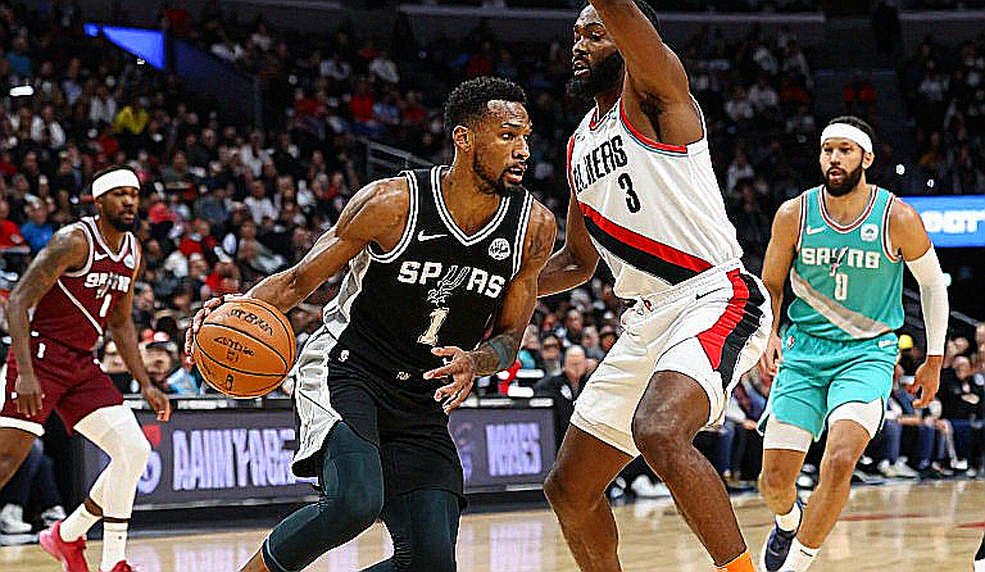
The next day's coverage repeated exactly three details: the speech, the comparison, the backlash. No transfer fee. No contract structure. No third team named. No sourced date of confirmation.
I read columns for a living. A speech with no columns is a red flag the size of the floor.
The structure of a trade told with one leg missing
On 2/2/2026, Doncic left Dallas for the Los Angeles Lakers, Anthony Davis went the other way, and the Utah Jazz stepped in as the third team to balance salaries. In my book this type has a name: a three-legged structure. One leg carries a superstar, one leg carries a max contract, one leg does the accounting.
The existence of that third leg is the actual story. Since the 2026 CBA, the NBA has built two apron lines. A team above the second apron loses the right to aggregate multiple salaries in one deal, loses its mid-level exception, gets its future first-round pick frozen, and cannot take back more salary than it sends out. To move a max contract legally, a front office has to open up a middleman team to absorb the difference.
Dallas entered the 2026/25 season with a payroll pressed right against the second apron. In that system, a supermax contract becomes a lock on the door. When ownership changes its financial vocabulary, personnel decisions change roughly eighteen months later. I wrote that forecast before the trade broke, and it still stands.

The Dallas speech did not mention the apron once, nor frozen picks, nor trade kickers. It spoke about the feeling of being betrayed. That feeling is real, and it does not replace a single column.
Spreadsheet autopsy: six empty columns
A transaction brief good enough for my cross-check file needs six columns: transfer fee, two-way salary structure, trade kicker, picks with protections, official announcement date, source verification. The brief circulating right now leaves all six blank.
Let me be precise about where I stand: I do not rank trades by shock value. I rank them by verifiability. With six blank columns, this one sits in the tier-four rumor bucket — read it to know, not to conclude.
The most telling detail, and the one missing everywhere: a player moved after signing a rookie-scale extension loses the right to negotiate a Designated Veteran Extension with his new team. That trade reshaped Doncic's future earnings, rewriting both a payroll and a man's tax file. Nobody in the speech mentioned it once.
On the roster side, this is a full rebuild. A heliocentric creator like Doncic needs three things around him: shooters holding spacing, a rim-protecting center, and a secondary ball handler to absorb the minutes he sits. Los Angeles already has a second star, but that star also needs the ball. Two egos demanding one ball is a usage-share problem, not a talent problem.
In Dallas, losing the primary offensive engine means losing the locker-room alpha too. The system has to shift from high-volume pick-and-roll to distributed attack, and the replacement has to carry it in his mid-thirties. After four seasons watching Dallas from the stands at American Airlines Center, one thing is clear to me: when this team loses its primary ball handler, the third quarter collapses first. Not through fatigue. Through the absence of anyone giving orders.
The spreadsheet does not lie. Only the person too lazy to read it fools himself.
One detail made me downgrade the whole report: the claim that this president was booed during a 2026 NBA Finals game, offered with no source, no date, no outlet. In this business, that sentence fails the first filter. The line "I constantly review deals" fails too — it is a political slogan, not a governance mechanism. The NBA can approve and veto unusual trades. A president cannot.
The contrarian angle: the loser may be the one who counted right
The official story says Dallas sold its future. I read the same data and see another scenario worth recording.
If the return is an elite defensive center plus a payroll pushed below the second apron, this is a risk trade: short-term talent lost, operational freedom regained. A team under the second apron can aggregate salaries, use its mid-level, and trade picks. Over four years, those three rights are worth more than one conference finals berth.
The Babe Ruth comparison is a reasoning trap. Boston in 2026 had no salary cap, no apron, no revenue sharing. They sold a human being to pay off a ballpark. Dallas in 2026 faces a completely different rulebook, where keeping a superstar at any cost can leave you with no way to build a team. Calling those two events the same thing erases CBA history.
The real risk sits elsewhere: a basketball league being dragged into political space, and that carries a price with sponsors and overseas markets.
Takeaway
I set my cross-check date at 5/2/2026, one year after the deal. Three columns to watch: whether Dallas converted its flexibility into picks or a star; whether Los Angeles finished building its shooting and rim protection; and who carries the usage when Doncic sits. If all three columns are still empty by then, I raise the probability of "mistake of the century" to 65% — with a 35% secondary scenario where Dallas counted right and the media read wrong. Data never interrupts the narrative. It tells a different story, and it is rarely wrong.